Lacassine National Wildlife Refuge, Louisiana
Everything the RV Renter Needs to Know
Everything the RV Renter Needs to Know
New Orleans gets a lot of love from visitors to Louisiana, but the state has a lot more to offer than beignets and jazz music including beautiful country areas that have nothing to do with the Big Easy. Lacassine National Wildlife Refuge is one of these places, tucked out in the marshland off Grand Lake, Mud Lake, and Lake Misere. There’s a rich history to this area, but now it’s mostly a haven for migratory waterbirds.
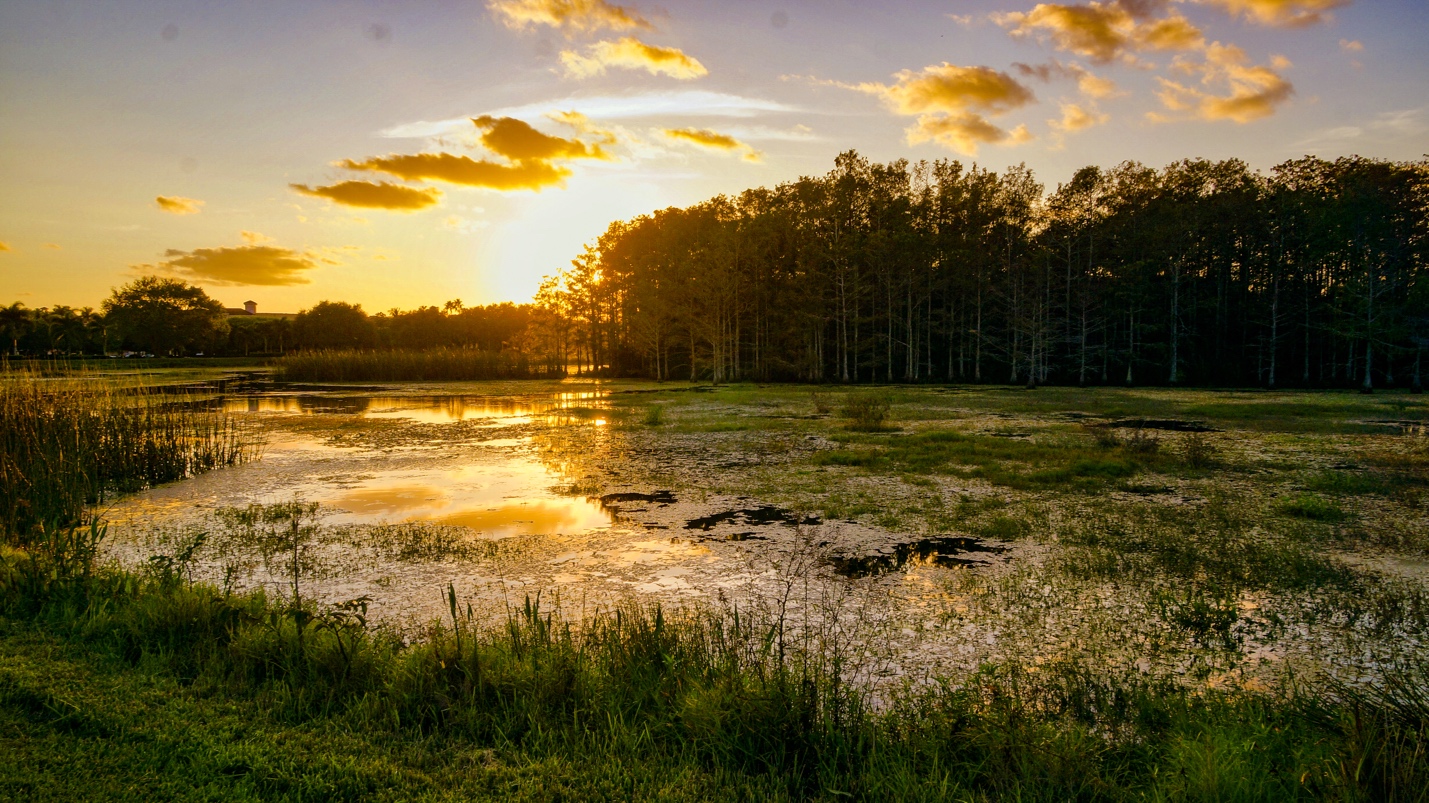
A wide variety of habitats in the area make it appealing to many different wildlife and birds. Marshes in particular are a core component of the refuge and make for glorious sunsets. It’s a great place to visit, see some real wildlife, and experience a bit of Louisiana’s bayou lifestyle while you’re down here—whether you spend your entire RV vacation here or just pass through.
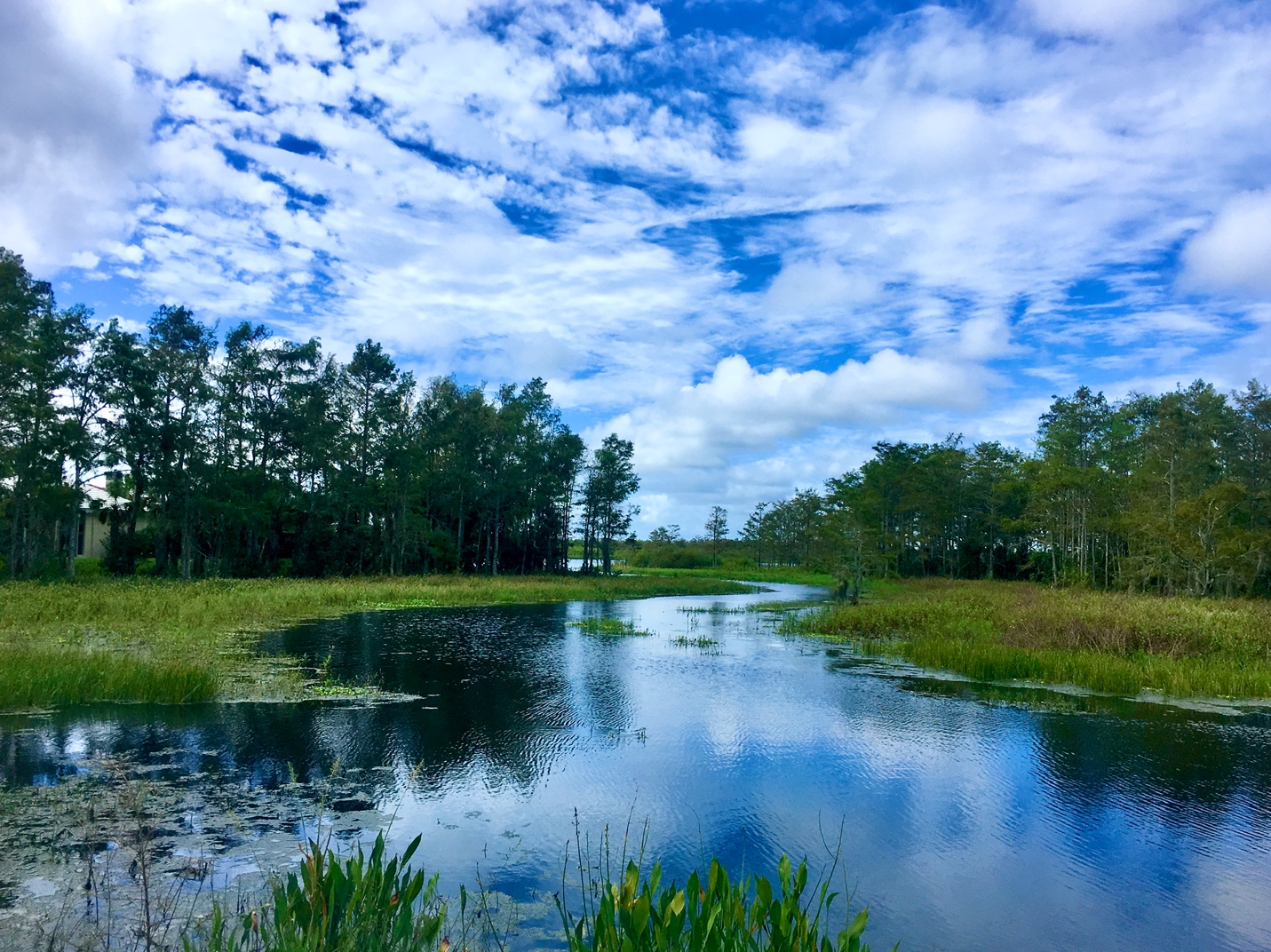
One of the things that attracts waterfowl to this place is a large concentration of food. For waterfowl, that means fish—a lot of them. And in particular, you’ll find a lot of “game species” here. While not every body of water is open to fishing (keep an eye out for “No Fishing” signs) many are, including some state waterways that run through the refuge.
You can rent a boat to take out on the water or hire a local guide. Otherwise, there’s bank fishing available in most parts of the bay, including the Streeter Road Fishing Pier, which is open year-round. Expect to catch some of these:
Even though it’s technically a haven for animals, the Lacassine National Wildlife is also prime hunting grounds. If you’re the type who enjoys a vacation where you’re hunting birds or game, Lacassine needs to be on your radar. That said, there are limitations to what you can bag and what are strictly off limits.
The two primary seasons are for waterfowl and whitetail deer. You can take ducks, geese, gallinules, and coots. For whitetail deer, archery is the only option. There are strict rules for hunting in the refuge, so be sure to check them before you head in. It’s a great time to enjoy a hunt.
There may not be any proper “hiking trails” in the refuge, but that shouldn't stop you from getting out and seeing some nature. There’s a system of foot trails that runs through the park. Here, you’ll find a few boardwalks, piers, and other nice areas for walking and taking a hike.
Along these footpaths you’ll find observation decks. These get you above the ground and let you get a better view of the refuge surrounding you. You’re also allowed and encouraged to hike along levees, which also rise above the rest of the refuge and give you a better view.
Whether you’re here for a long haul or just passing through, there’s a nature drive that’s perfectly enjoyable. It gives you a good sense of the diversity within the refuge, and also gives you a great opportunity to spot some wildlife.
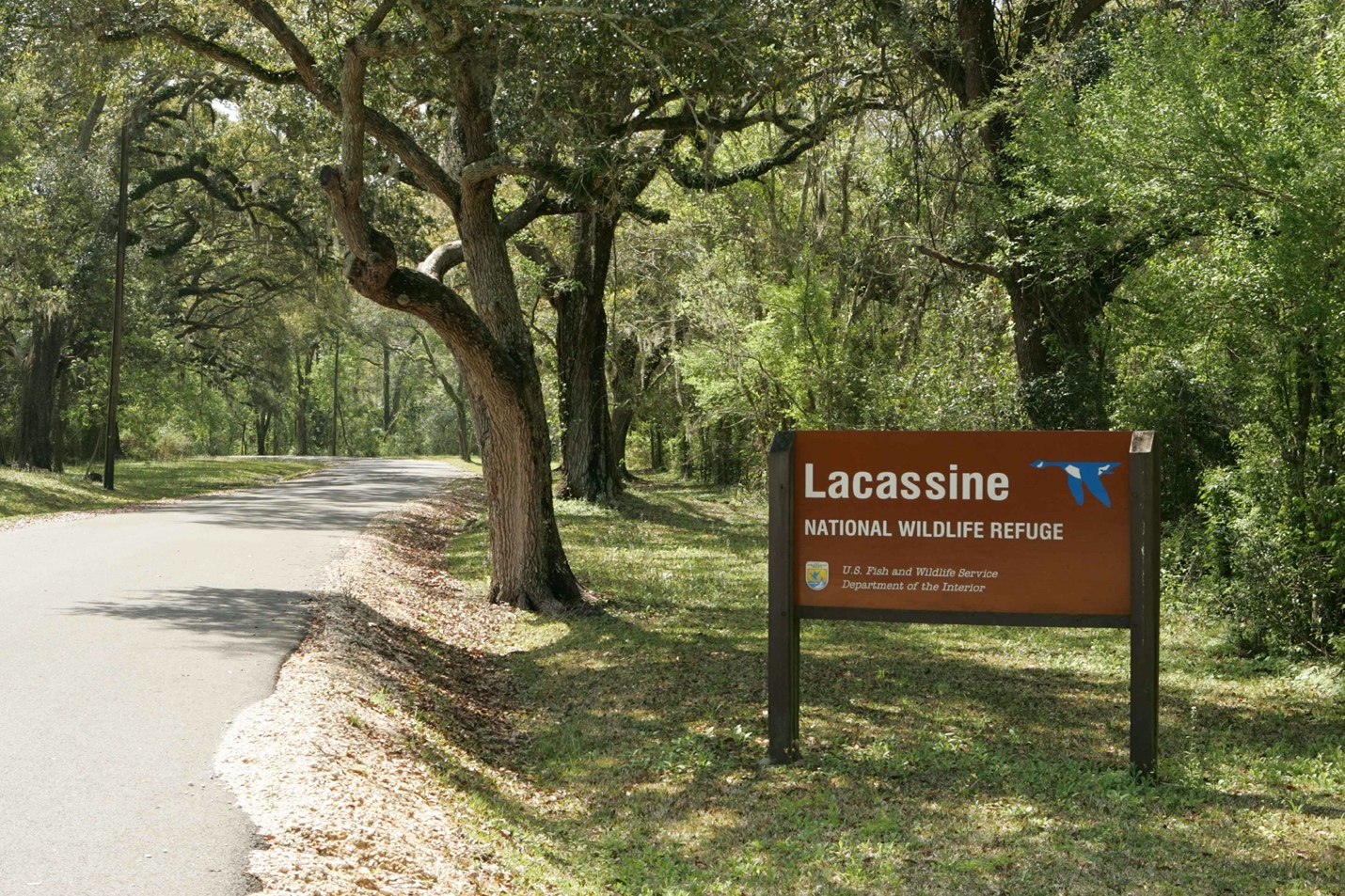
Starting at the Lacassine Pool, you’ll see interpretive signs that guide you on a three-mile tour. There are pull offs that allow you to stop and get a better look at the nature around you. That said, it’s encouraged that all visitors stay inside their cars while traveling to minimize the disturbance of nature. You’re in a refuge, after all.
Why would you come to a wildlife refuge and not expect to see some wildlife? Birds in particular are common here depending on their migratory season. In fact, more than 500,000 ducks inhabit the refuge at peak migration. You’ll also see wading birds like snowy egrets and white ibis, various herons, spoonbills, and cormorants. Shorebirds like killdeer and dowitchers visit the park, as do owls, vultures, and osprey.
Birds are by no means the only animals you’ll see. There are numerous mammals and reptiles in the area as well. Nutria, otters, mink, racoons, armadillos, and whitetail deer are all scattered across the area. On occasion, you may also see an American alligator. The refuge is also home to two endangered species: the Louisiana black bear and the bald eagle; both can be spotted in the area on occasion.
Just up the road from Lacassine National Wildlife Refuge, in Lake Arthur, is Myers Landing RV Park. It’s a classic RV park in the heart of Cajun country. Every spot has electric, water, and sewer hookups. There’s also a store on site that sells food, beer, hot meals, and fishing tackle. If you’re of age and want to do so responsibly, there are even a few casinos nearby for some additional entertainment.
Tucked into 114 acres of forest, with one mile of shoreline, Cypress Bend RV Park offers you full utility hookups at every spot. The beach gives you access for swimming and kayaking, and the kids can enjoy themselves on the large playground. There’s also Wi-Fi, a boat ramp, and shower and restroom facilities.
Blue Heron RV Park sits on Lake Charles, not far from Lacassine National Wildlife Refuge. It’s 50 spots are big-rig friendly and offer full utility hookups. It also offers dependable Wi-Fi (something not always common at parks), as well as shower and laundry facilities. There’s also a large grocery store next door, making it extra convenient to stock up on all of your needs.
Near Lake Charles, you can see how Big Lake RV Park gets its name. It’s located minutes from dining and casinos if that’s your thing, or you can enjoy the recreational opportunities on the lake in the time you aren’t spending at Lacassine. A saltwater pond on the property lets you do your own private fishing, and there’s also a laundry facility and showers on site. Plus, don’t forget the full utility hookups, either.
Lost Shoe RV Park keeps a manager on site at all times and offers 68 RV spaces—all with full hookups. There’s a brand-new laundry facility, plus showers. There’s the Grillin’ Pavilion, full of several grills that are open for use. The space is dry and level and clean, which is just about everything you can hope for when you’re renting an RV.
There aren’t any restaurants or dining opportunities inside Lacassine National Wildlife Refuge. However, if you’re hunting or fishing, plan to bring along a few items to help you clean your catch or bag, and to help you cook them up for dinner. Food doesn’t get much fresher or better than that—and your RV’s kitchen is waiting to be used.
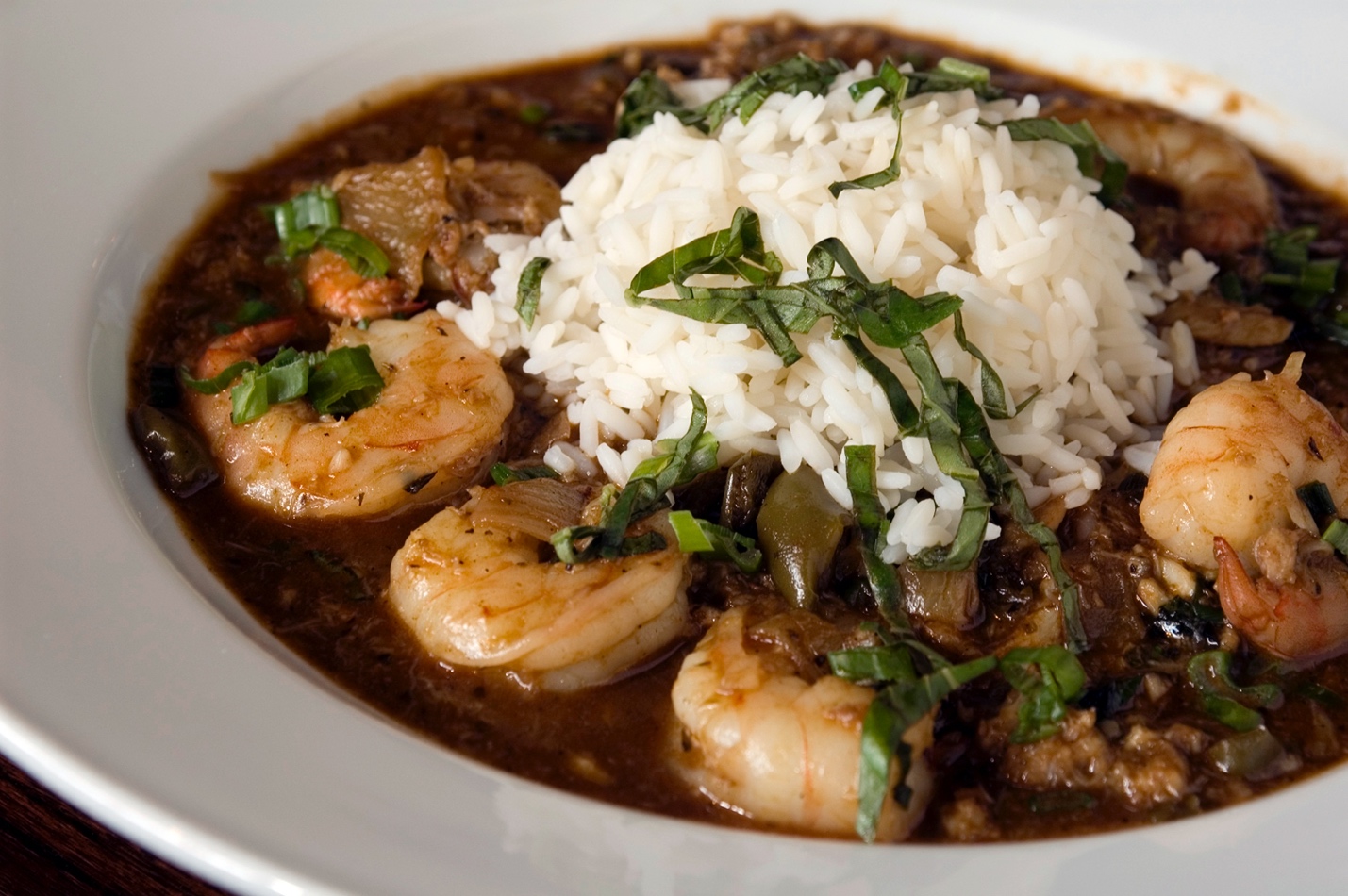
Lake Arthur and Lake George are two cities nearest Lacassine National Wildlife Refuge, and both offer you several different dining options. Crawfish is one of the delicacies of the area, and you’ll find it in abundance nearby—often with shrimp, if mudbugs aren’t your style. Enjoy it in a boil (where it’s boiled with spices, corn, potatoes, and sometimes other vegetables) or try it as a sandwich called a po’ boy, where it’s served fried on a soft French bun with tomato, lettuce, and other condiments.
Of course, there are other, non-Cajun dining options in the area as well. You’ll find something that fits any taste. But when you’re in Louisiana’s bayou country, it’d be hard to find much better, fresher food than crawfish, gumbo, or etouffee.