Okefenokee National Wildlife Refuge, Georgia
Everything the RV Renter Needs to Know
Everything the RV Renter Needs to Know
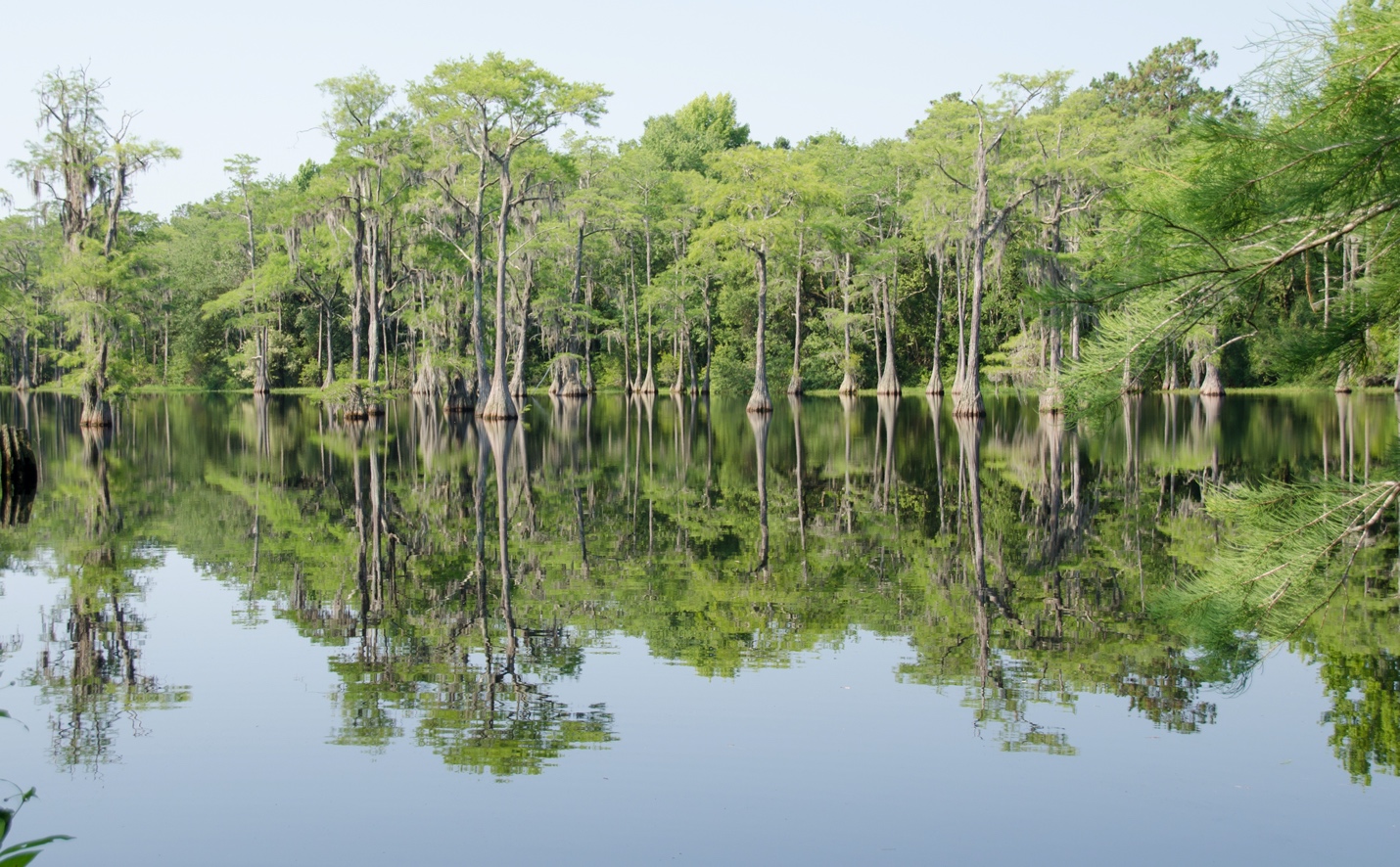
Along its southern border with Florida, you’ll find one of Georgia’s seven natural wonders and an excellent RV camping destination. The Okefenokee National Wildlife Refuge is more than 350,000 acres of unspoiled swamp land that is teeming with life. The refuge was established in 1937 primarily for the protection of the many migratory bird species that frequent the region. Preservation efforts have paid significant dividends, with the refuge now home to more than 600 plant species and one of the healthiest amphibian populations on the planet.
Today, the refuge is enjoyed by hundreds of thousands of visitors looking to explore this incredible swamp land each year. The incredible number of ponds, lakes, rivers, and streams not only make a great habitat for birds and alligators, but also serve as a dream scenario for any water sports enthusiast. Okefenokee is one of the largest intact freshwater ecosystems left in the world and it definitely warrants a visit in your RV.
To get a sense of what the refuge is all about, consider driving/walking/biking Swamp Island Drive. The seven-mile loop is paired with an informative guide that corresponds to markers along the drive. There are also a number of hiking trails that branch off from the main route if you care to do a little off-road exploring.
Along your drive you’ll get some nice views of the swampland and two of the most prominent flora in the refuge, palmettos and long leaf pine trees. Look up high in the pines, because you may be able to spot an endangered red-cockaded woodpecker. Your drive will also take you by the Chesser Island Homestead historic site (see more below).
Canoeing and kayaking are probably the most common activities in the Okefenokee Refuge. The most hardcore visitors will actually paddle out to primitive campsites on small islands within the swamp. If you’re just looking to do a little sightseeing and exploring, the 120 miles of water trails are perfect for just that.
If you like the guidance of a local expert and would like to learn more about the refuge, there is also a guide service available. Tours are available for every kind of experience, from a 90-minute ‘lay of the land’ cruise, to a multi-night backcountry camping excursion. Just remember to keep an eye on the water around you for alligators as you’ll be right in the middle of their habitat.
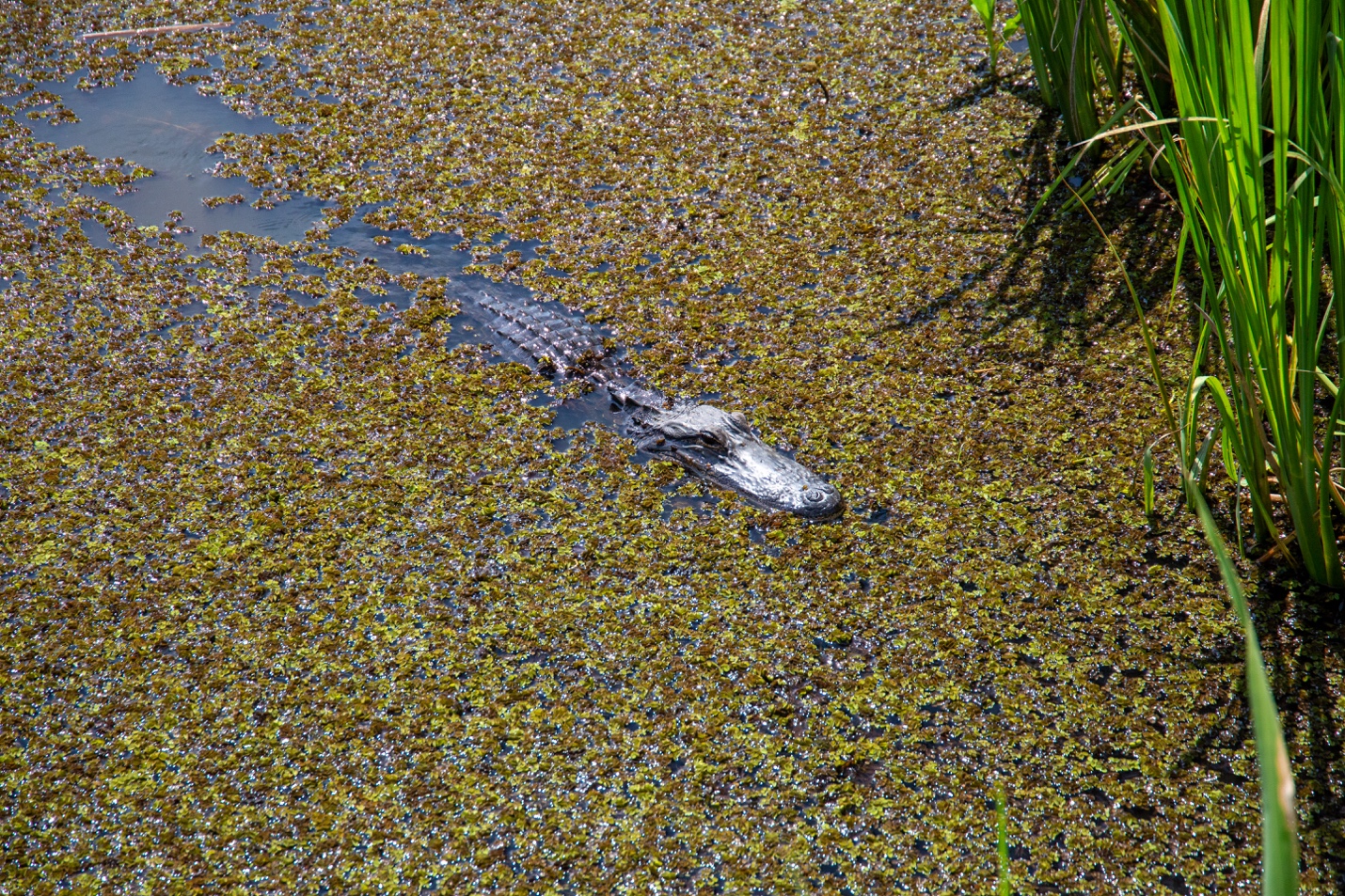
Many wildlife lovers come to Okefenokee just to see these huge gators. In fact, scientists and conservationists believe that some of the largest American alligators in the country can be found in these waters. In cooler weather, look to the banks to see them sunning themselves for warmth. Otherwise, you are likely to spot them swimming through the swamp or perhaps you’ll spot a couple of eyes popping out from the shallows.
The diverse bird population of Okefenokee is also well-known by amateur ornithologists. Pack your binoculars and see how many of the 234 species you can spot during your visit. The Fish and Wildlife Service has actually created a checklist for you which indicates just how common (or rare) certain species are during the four seasons.
The incredibly interconnected and widespread water system at Okefenokee is a perfect scenario for any angler. You’ll have a blast casting a line for a variety of species including bluegill, redear sunfish, catfish, warmouth, flier, and chain pickerel. If you aren’t having any luck, the sprawling waters of Okefenokee make it easy to switch it up and find your ‘honey hole.’
There are a few things to note about fishing in the refuge. Although it is often the most successful strategy, fishing with live minnows is strictly prohibited. You’ll also need to make sure you have your Georgia-issued fishing license on hand as game wardens keep close tabs on the fish harvest to protect these valuable waters. Finally, it is critical that you remain extra vigilant when reeling in any fish. Alligators are known to snatch your catch and get a little too close for comfort. If you can see an alligator at your fishing spot, you’re too close.
As you paddle or hike your way through the fairly unforgiving swampland of Okefenokee, you may be surprised to learn that a number of settlers called this place home. The Chesser Island Homestead was founded in 1927 by Tom and Iva Chesser. To make a living, the family primarily grew and harvested sugar cane, a crop which flourishes in the hot and humid climate.
As you set foot on the property, it will feel like someone still runs the place. The house and farming grounds are cleverly staged to represent what the settlement may have looked like during peak operation. Take a look inside the old production shed where the family boiled down juice from sugarcane and sorghum to make syrup and molasses. A boardwalk also passes near the property and will take you out to an observation tower for an elevated, 360-degree view of the swamp.
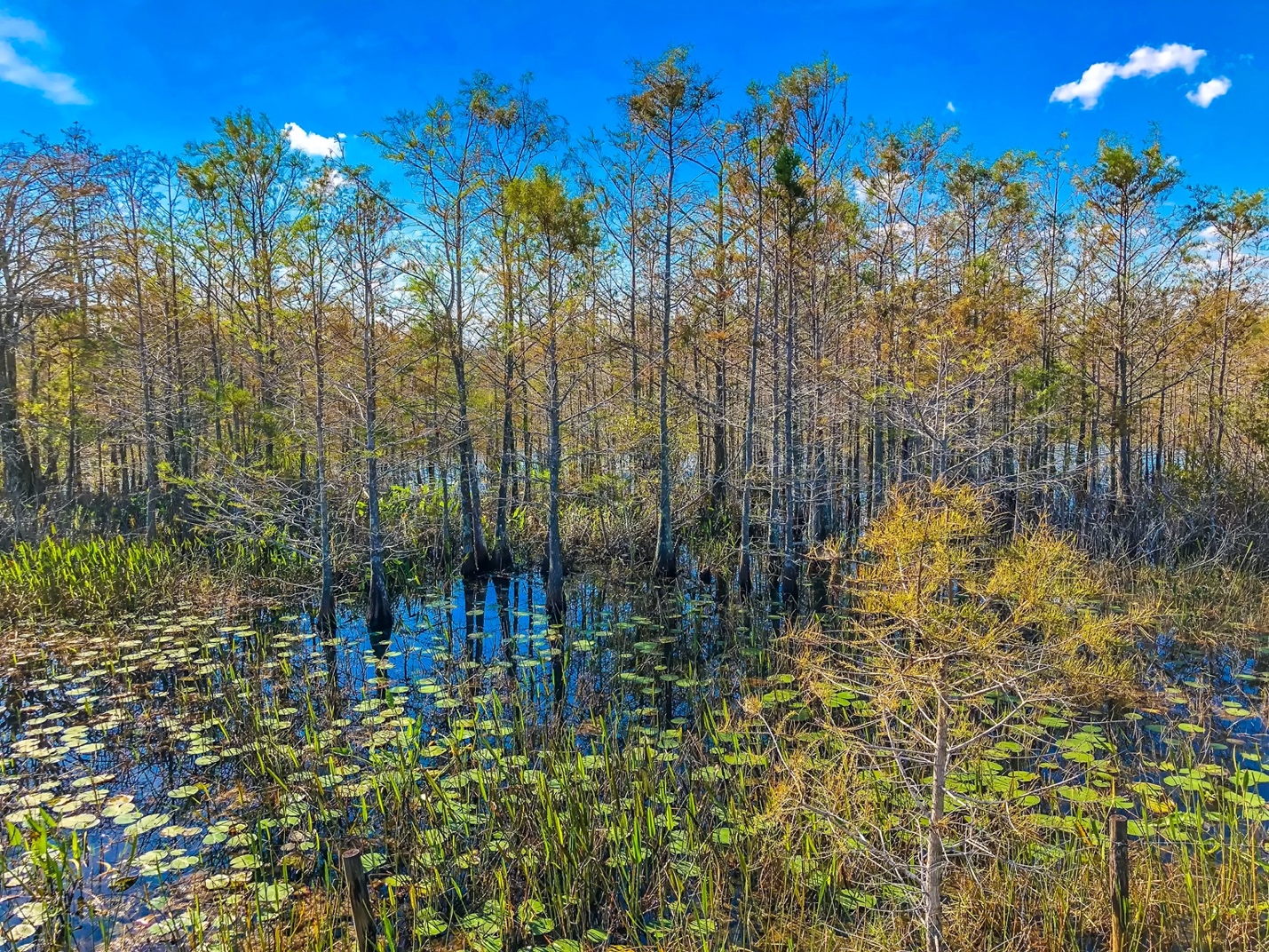
The campground at Stephen C Foster State Park on the western side of the refuge offers the only RV-friendly camping within Okefenokee, itself. You can choose whether you’d like a primitive or 30/50-amp electrical camping experience (although there are three sites with water hookups). For your comfort, restrooms, bathhouses, a dump station, and even a laundry facility are available. Because the area is also a state park, campers will also enjoy amenities like boat rentals, playgrounds, an amphitheater with weekly events, and access to hiking trails.
Just six miles outside the eastern entrance of the refuge, Okefenokee RV Park is a convenient, albeit simple RV camping option. Necessities will be covered by your full hookup campsite, bathhouses, restrooms, and laundry facility. In addition, the on-site restaurant and rec room make for an enjoyable evening.
A little further to the north, you’ll find Whispering Pines RV Park and Campground, about a 20 minute drive to the refuge’s eastern entrance. The sizable park has 90 sites for your RV, and you can opt for either full or partial hookup access. A great option for anglers, the campground contains two ponds and a few small creeks for some great bass fishing. There are also a number of nature trails nearby for avid hikers.
Some of the closer camping can actually be found across the border in Florida. Kelly’s Countryside RV Park in Callahan. All RV campsites are outfitted with full hookup access in a nicely wooded setting. Although the entertainment options are limited (horseshoes and shuffleboard), one great feature of staying here is that the amazing Amelia Island beaches are just 25 miles away.
For RV campers looking for a more rustic camping experience, Traders Hill Campground is a good option. Not only is it the closest campground to the main entrance of the refuge (less than five miles), but it also puts you in the middle of the forest on a riverbank. The fairly primitive RV campsites do provide 20- or 30-amp electrical service as well as access to a bathhouse and a dump station. The proximity to the water Traders Hill is a great option for anglers and boaters. In fact, there is a boat launch onto the St. Mary’s River on site.
There is only one dining option within the refuge and only lunch is available. The Camp Cornelia Cafe near the eastern main entrance offers sandwiches and salads and you can get them to go if you’d like. Every now and again, they’ll also put on a shrimp boil. Other than that, you’re on your own for snacking and dining within Okefenokee.
You’ll find a nice dining hub in Folkston, just six miles to the northeast of the main entrance. Here, you’ll find fried chicken, Thai, BBQ, Chinese, southern comfort American cuisine, a variety of chains, and a supermarket. If you’re entering on the west side, there unfortunately isn’t really anything around for more than 25 miles.
No matter where you stay, your visit to the wild and rugged swamps of Okefenokee will be a fascinating opportunity to view a vibrant and unadulterated natural habitat.