Renting an RV in Oregon
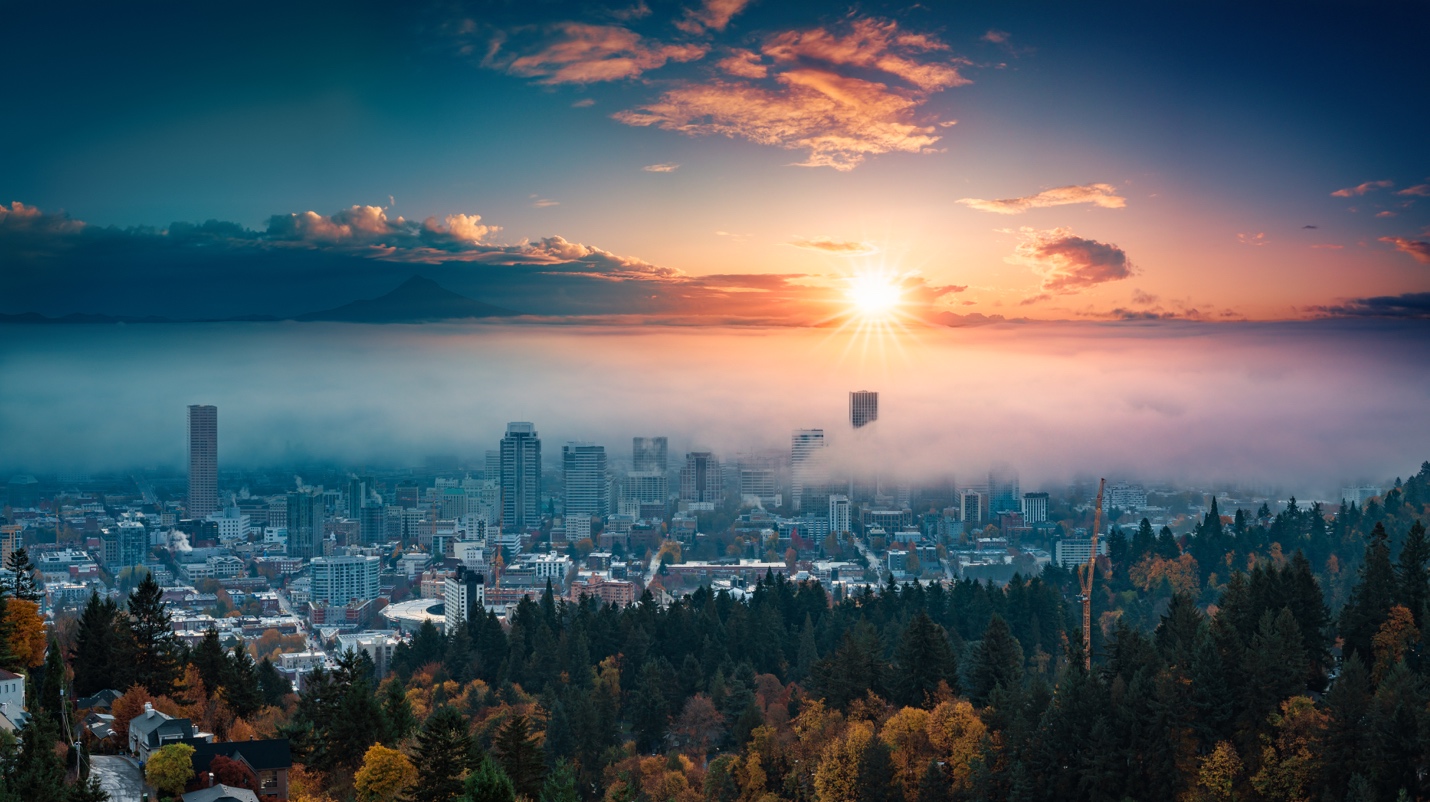
Oregon is a jewel of a state. As a key part of the Pacific Northwest, its mountains and forests of fir and pine trees make for gorgeous scenery—and an especially beautiful place to take in by renting an RV. And so much of the land in Oregon is pure and untouched by society, it’s the perfect place to camp as well.
Whether you’re flying solo or traveling with the entire family, A vast array of biodiversity makes Oregon a great place to rent an RV. Not only are there great places to hike alone, there are other attractions throughout the state that are quite family friendly. The abundance of wildlife in the area also makes Oregon a photographic state, so load up in your rental RV and get ready to hit the road.
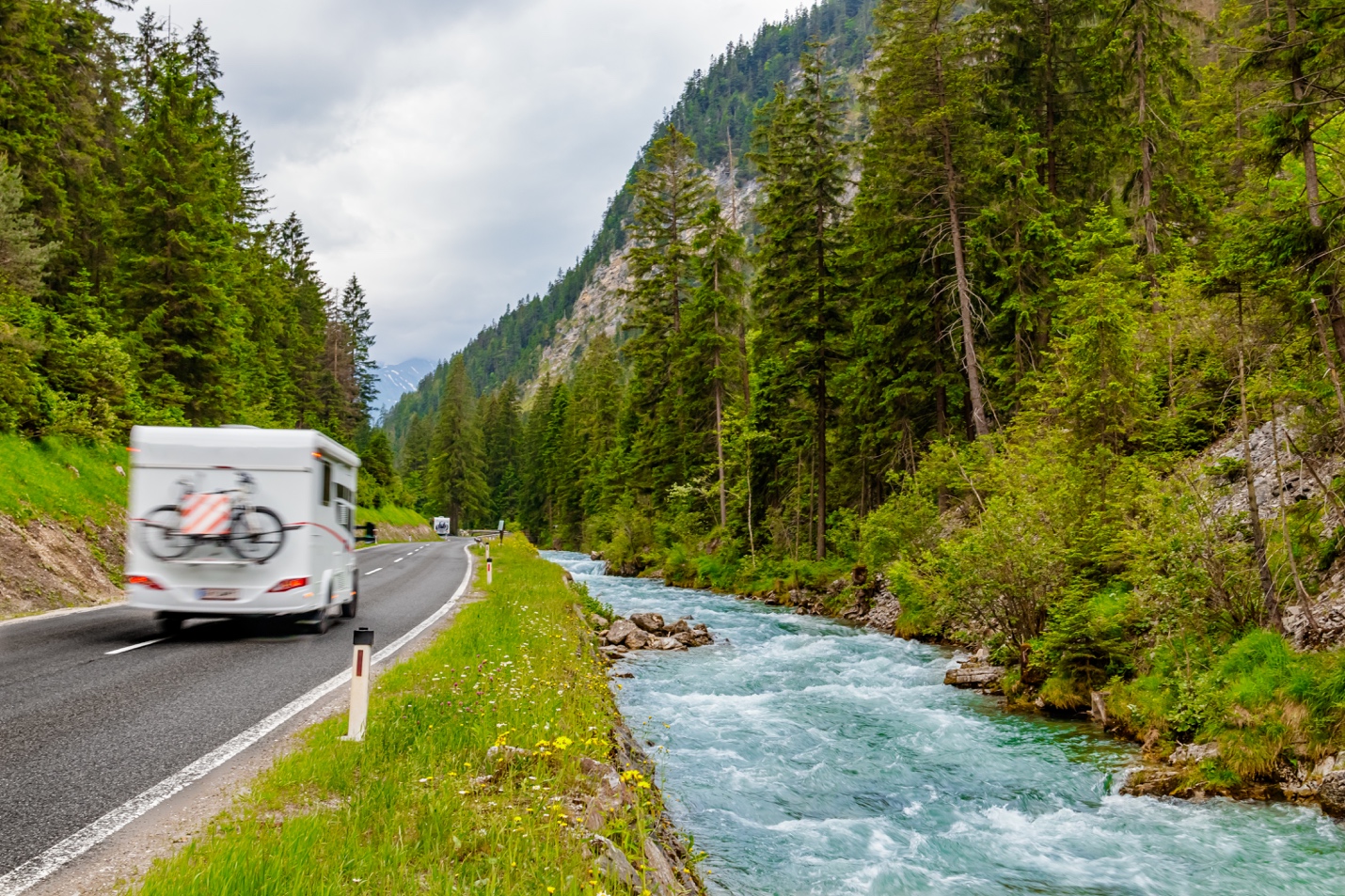
There are more general perks to renting an RV too. If you’re short on time and want to just get out on the road so you can start enjoying your vacation, renting an RV saves you the hassle of a sales lot. If you’re considering buying an RV, renting one first is the perfect way to get acquainted with what it’s like to drive and live in one. Learn how to park one, get comfortable, set up camp, and get ready to enjoy yourself.
10 Picturesque Places to See in Oregon in Your Rental RV
Where do you even start with Oregon? There’s so much nature to see, and so many different places to visit, it can get overwhelming when you think about planning your RV vacation. But fear not: here’s a list of 10 places that should be high on your list to visit once you hit the road.
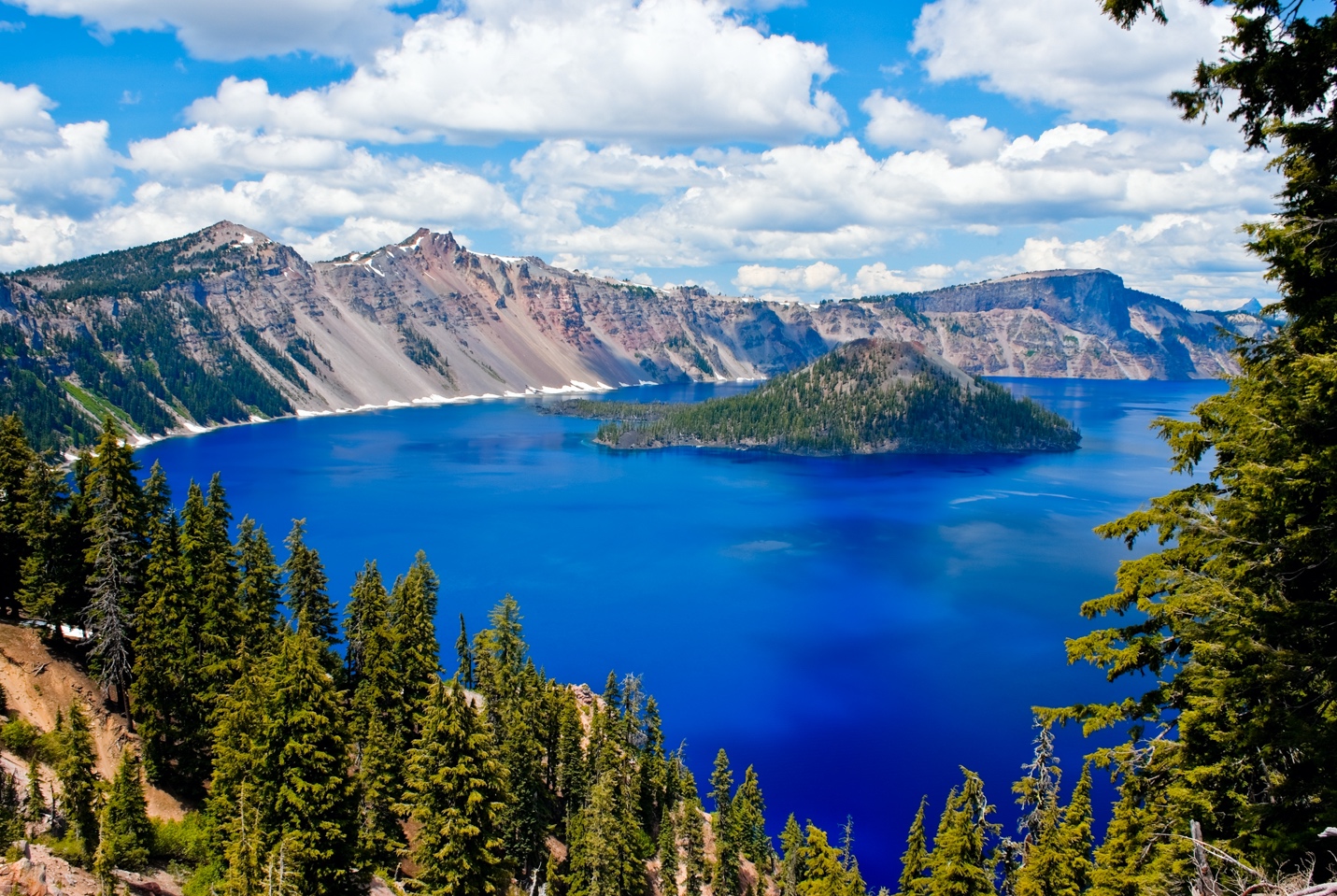
There’s so much to do and enjoy in Crater Lake. The hiking (or snowshoeing, depending on the time of year) is top-notch. Mount Scott is the park’s highest point and after a steep 2.5-mile hike, you can see the entire caldera. A road runs along the rim of the trail that’s perfect for cruising along in your RV, and there are several spots great for taking pictures. Swimming and fishing are both allowed in the lake, and boat tours visit Wizard Island: a cinder cone out in the lake.
Learn more about Crater Lake National Park
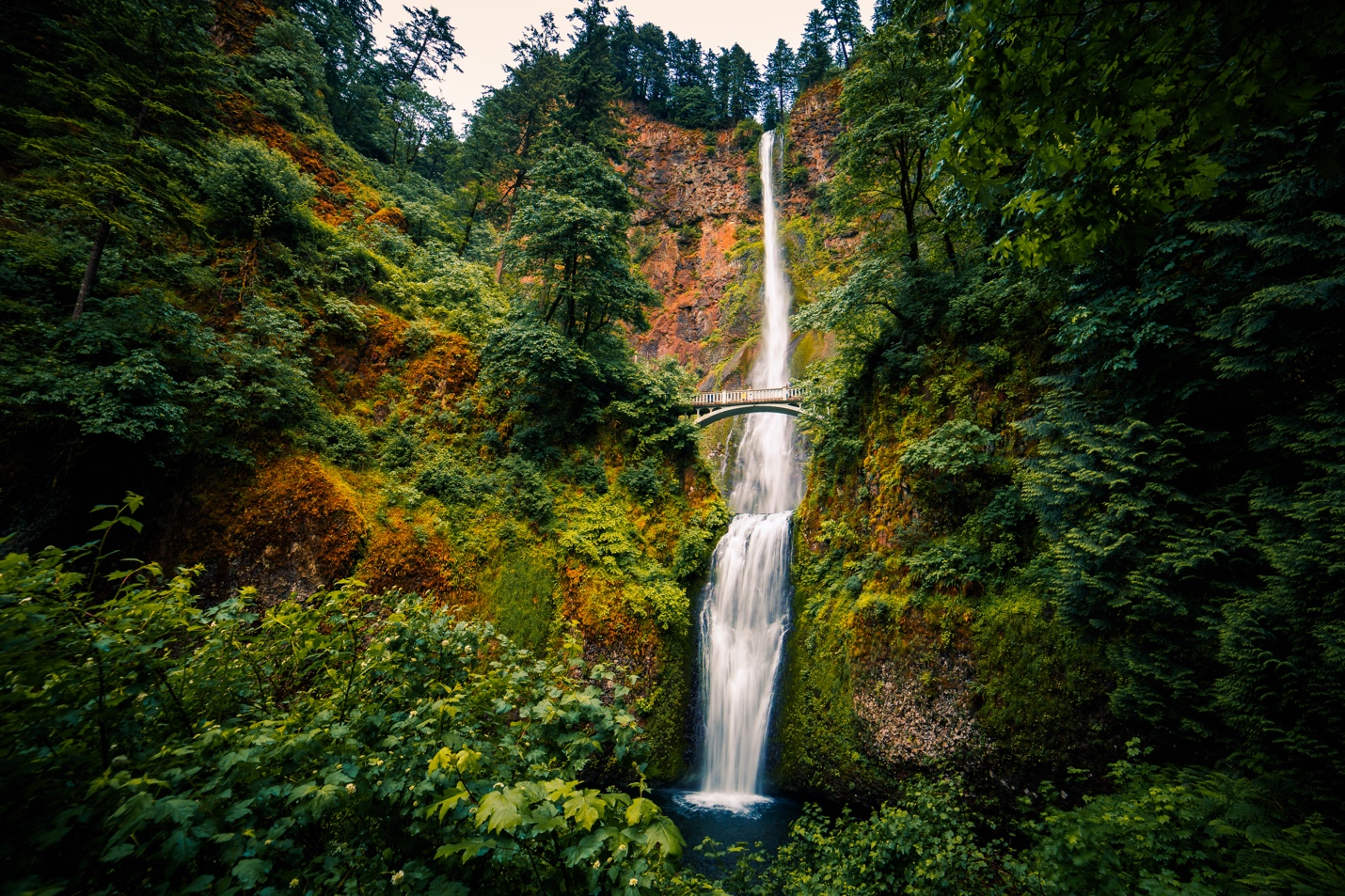
Several hikes take you closer and closer to the falls. They range from moderate to difficult. Either way, be sure to stop and take a walk over Benson Bridge, which gives you a bird’s-eye view of the first tier’s base. The air can get cooler during much of the year due to the mist, so make sure to pack accordingly.
Learn more about Multnomah Falls
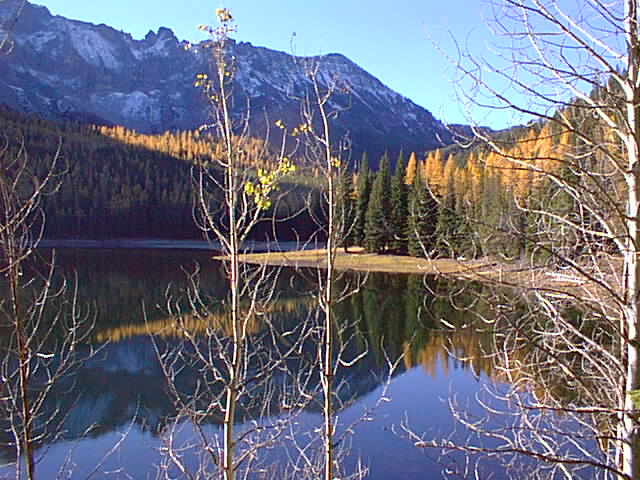
Monument Rock and Strawberry Mountain wilderness areas are both perfect spots for hiking. Strawberry Mountain has a small lake and both areas are homes to dozens of types of wildlife including black bear, elk, cougar, antelope, bighorn sheep, and others. Malheur National Forest also has plenty of RV camping areas, so park, stay awhile, and do some exploring.
Learn more about Malheur National Forest
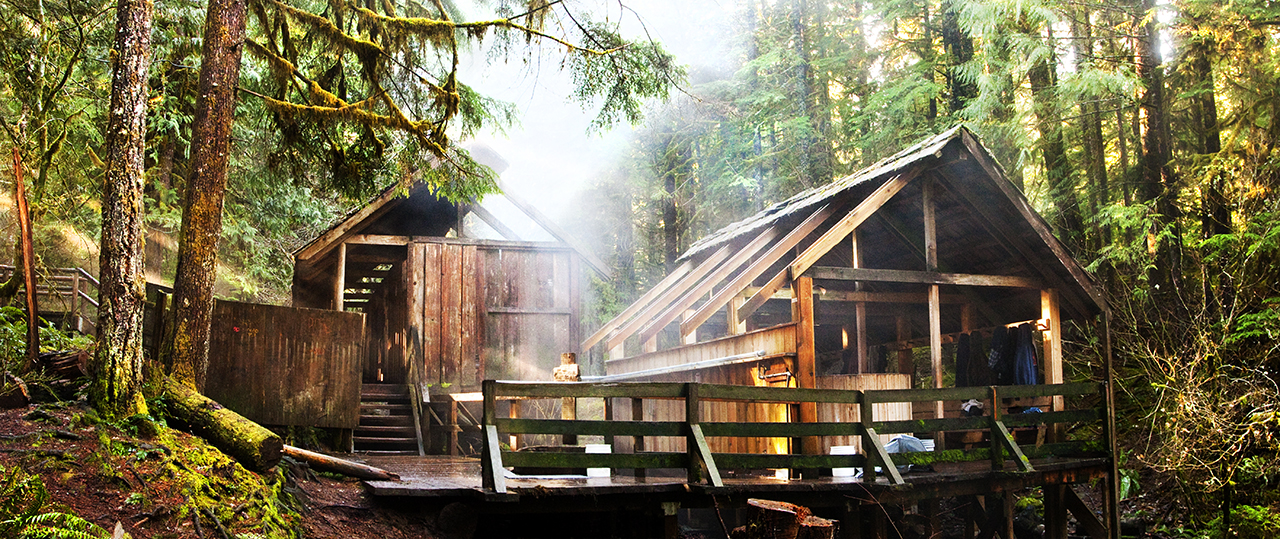
Out just a near one-and-a-half-mile trail, Bagby Hot Springs are made up of three bath houses and are open 24 hours a day. There is a total of ten tubs—some community and some personal. Camping isn’t allowed inside the area, but you’ll find areas nearby that will be the perfect place to retire after a long soak.
Learn more about Bagby Hot Springs
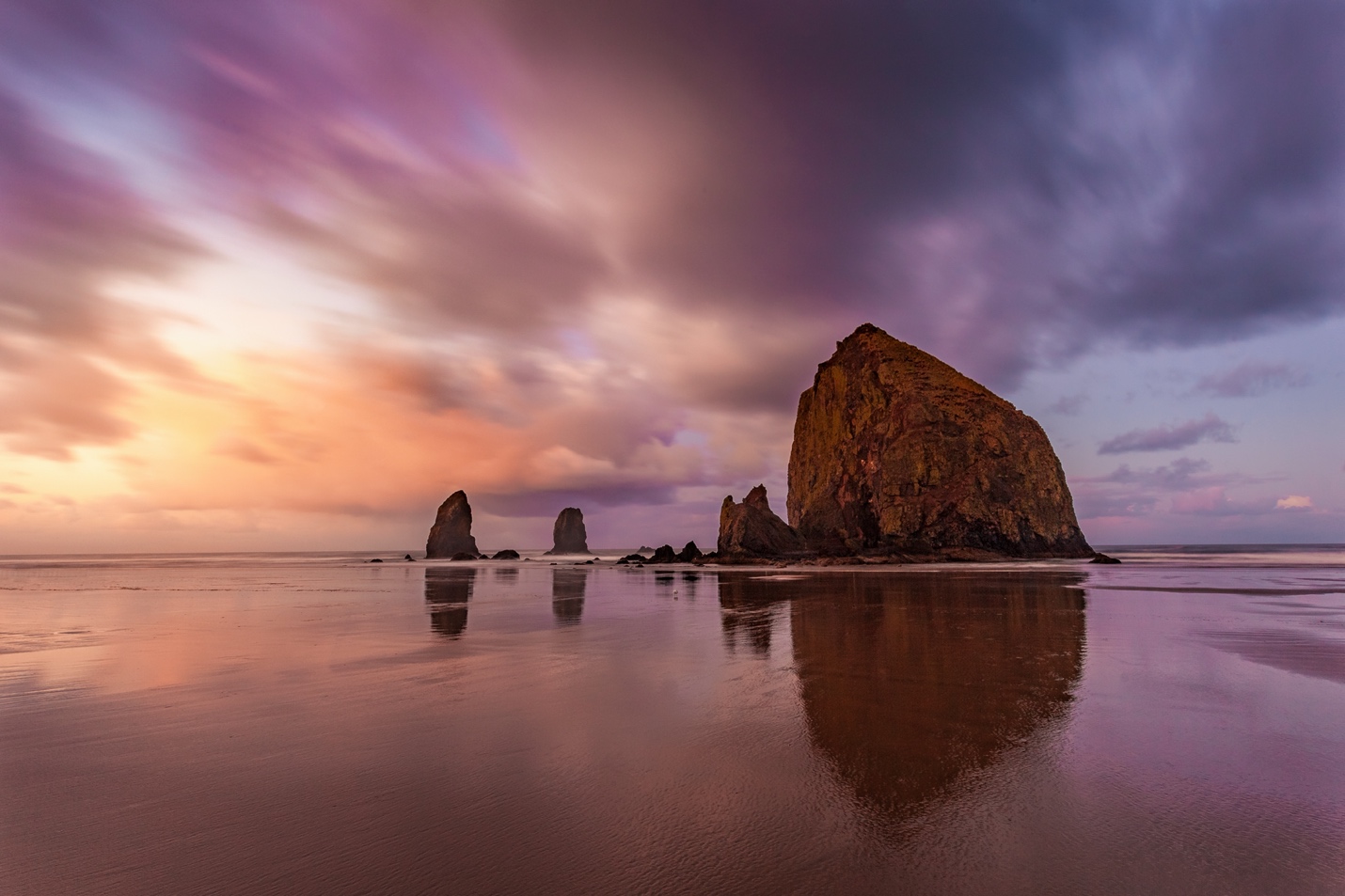
Part of Lewis and Clark’s expedition team landed in Cannon Beach during their trek, and you’ll see the same impressive views they did: Haystack Rock jutting up over the shoreline and numerous waterfalls cascading down onto the sandy beach. And, at low tide, you may even spot some aquatic life. Enjoy a little magic in Cannon Beach.
Learn more about Cannon Beach
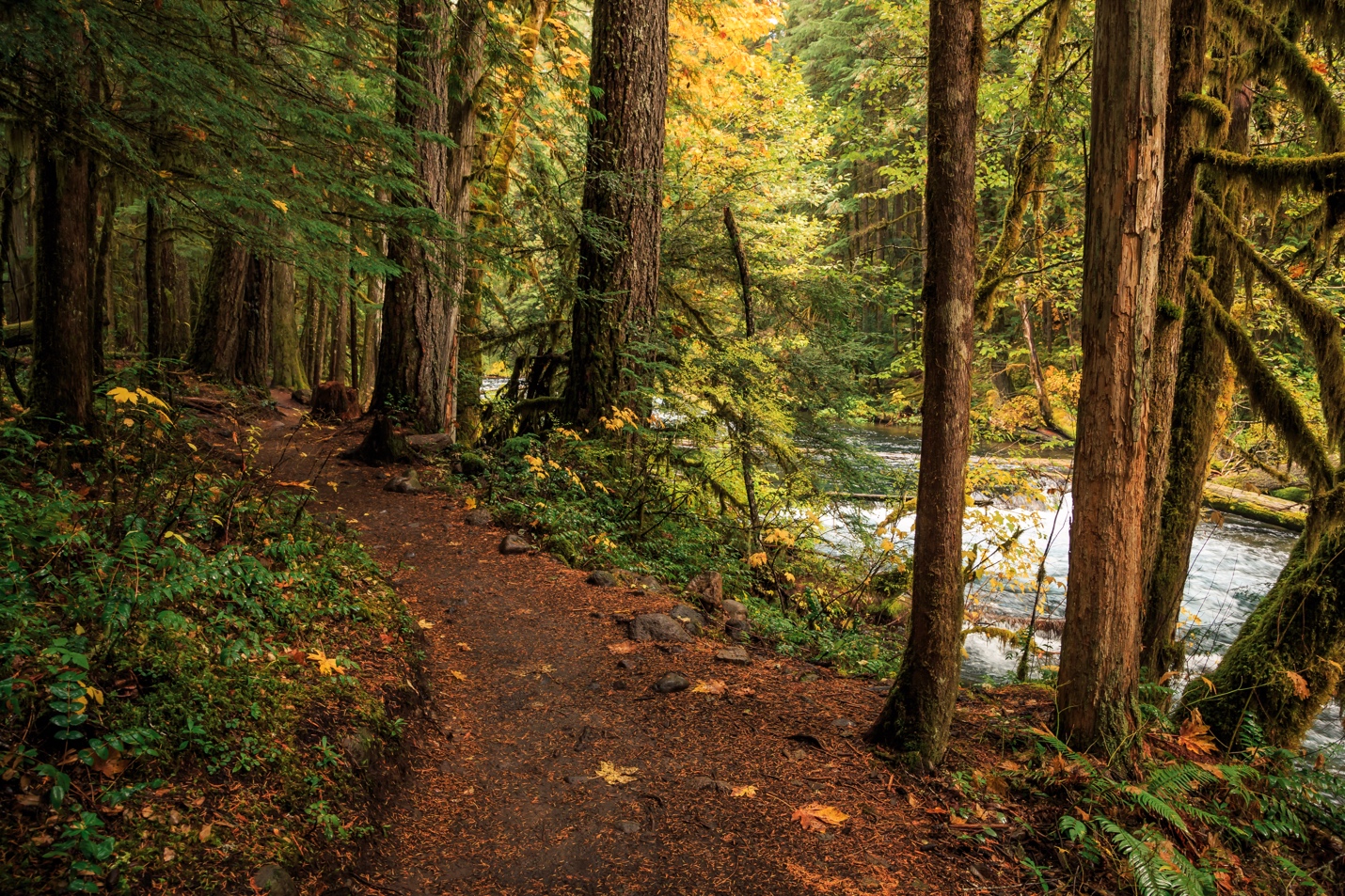
Inside the forest you’ll find a wide variety of ecological landscapes. Tall mountains (Mount Jefferson is the second tallest mountain in Oregon), deep and narrow canyons, streams, rivers, and dense forest mean you’ll enjoy a number of varying sights. The old-growth forest in this area contains some of the tallest trees in the world—now just imagine standing beneath one and looking up.
Learn more about Willamette National Forest
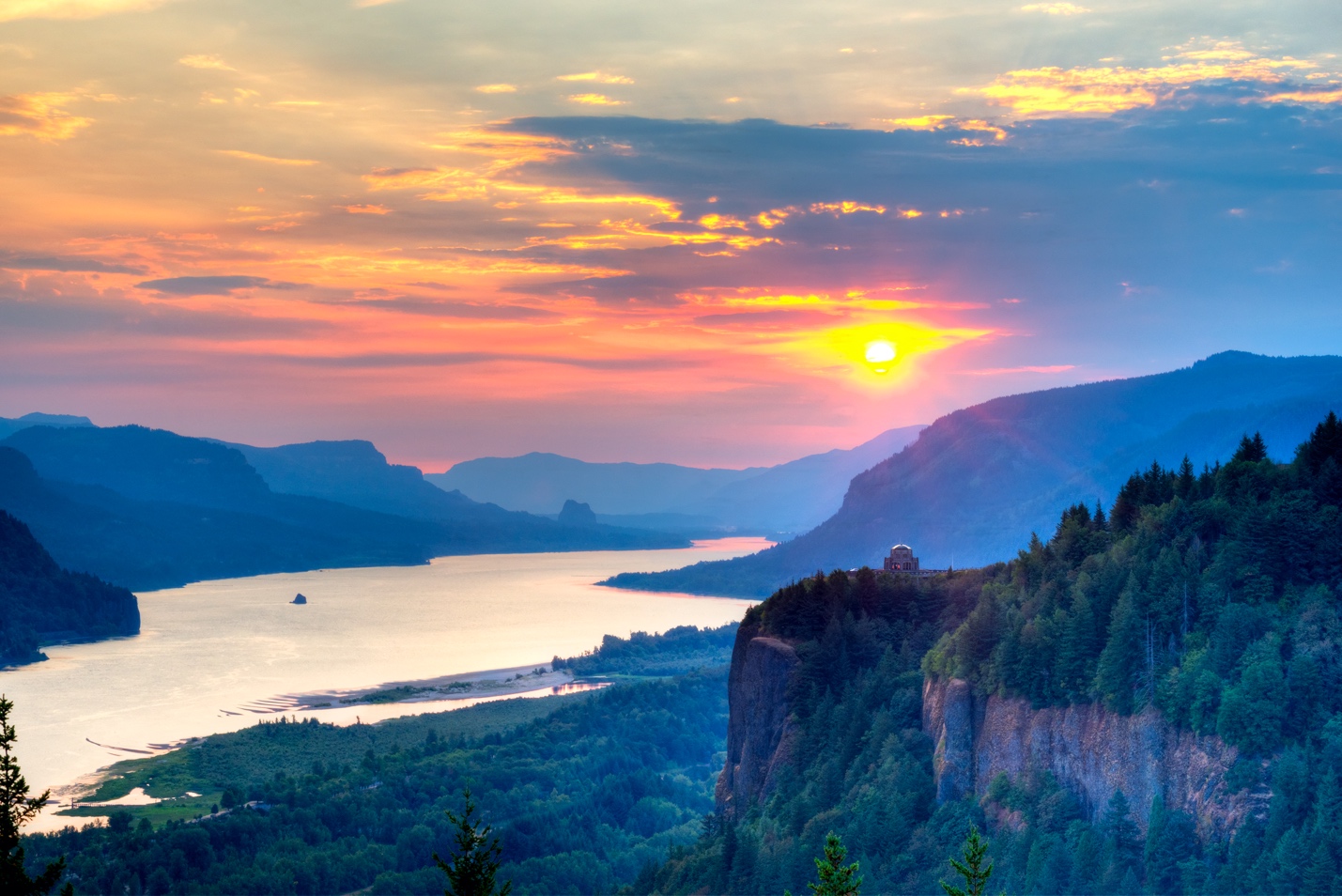
The gorge is a hotspot for hiking, with dozens of trails that vary in elevation. There are more than 90 waterfalls on the Oregon side of the gorge (including Multnomah Falls) perfect for photo opportunities. The famous Pacific Crest Trail even passes through the gorge. It’s also effectively a wind tunnel, making the river a popular wind boarding and kitesurfing spot.
Learn more about Columbia River Gorge National Scenic Area
Portland does parks right. Inside the city, you’ll find Washington Park, a wildly large urban park with a zoo, arboretum, amphitheater, rose garden, Japanese garden, and much more. There aren’t a lot of cities that can claim to have a forest right in the heart of it, but of any city, Portland does.
It’s easy to spend at least a full day in and around Washington Park. Kiddos in tow? The Portland Children’s Museum is a great way to spend some time after stomping around outside for a while. Popping into the Hoyt Arboretum is another nice way to see some of Oregon’s beautiful evergreen trees. Washington Park is also attached to Forest Park, another unbelievable park in Portland full of better hiking trails than you’ll find in many other parts of the country.
Learn more about Washington Park
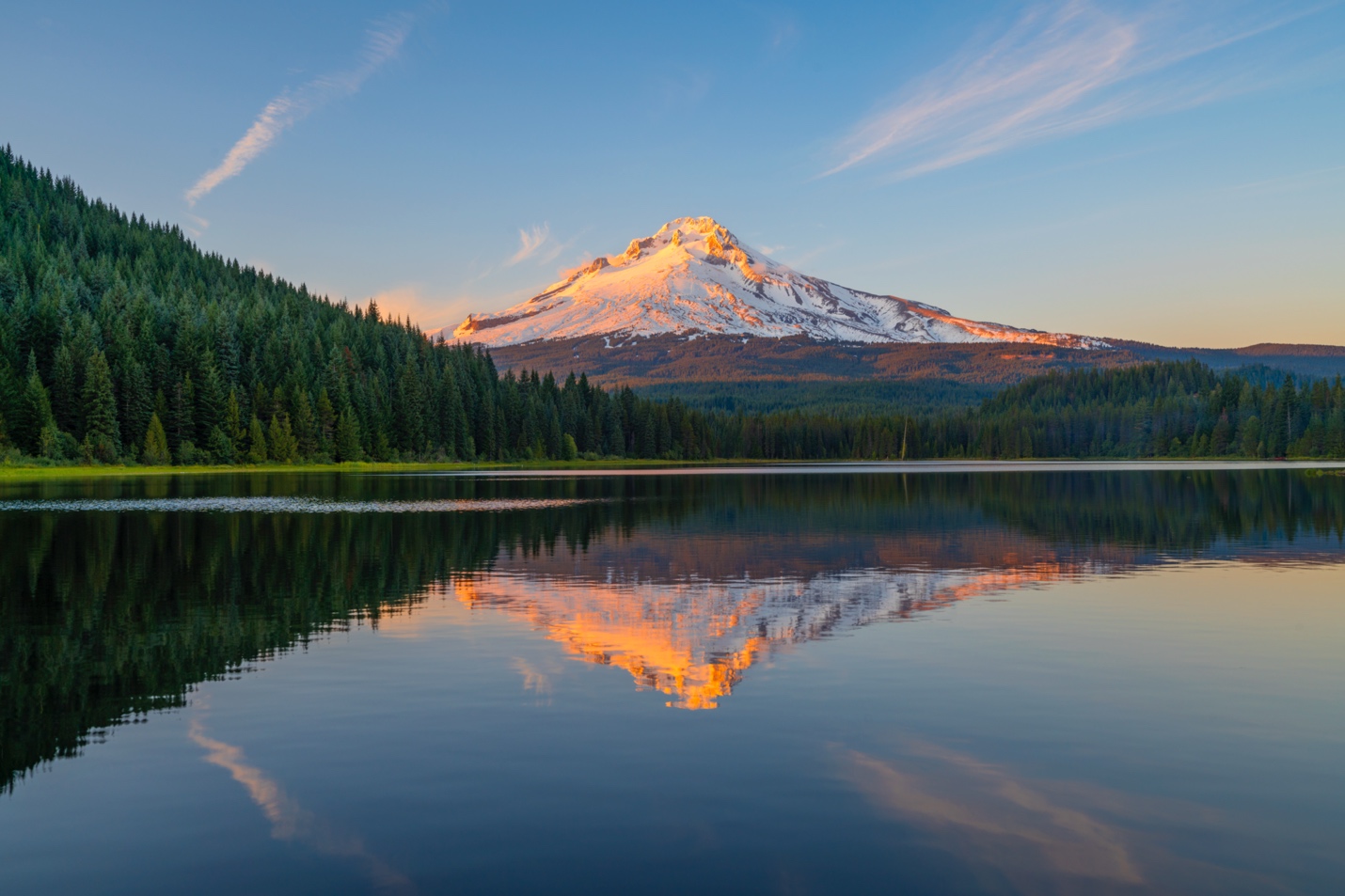
The hiking in the national forest is some of the best in the country, but there’s also plenty of water recreation in fishing, rafting, and boating. If you’re feeling adventurous, the skiing around Mount Hood is considered fantastic, as is mountain climbing. And while it’s one of the most-visited national forests in the country with more than 4 million visitors annually, fewer than five percent of those stay in the park—so you can have it practically all to yourself in your RV.
Learn more about Mount Hood National Forest
The beauty of coastal parks in Oregon is that not only do you get the beauty of the rocky coast, you also get dense forests near them. The Samuel H. Boardman State Scenic Corridor is a 12-mile stretch of Highway 101—a road running nearly the entire length of the west coast. Numerous parking stops along the way make the park even easier to enjoy.
If you feel like hiking, there are several trailheads that run through the park, and some beaches offer access to sand dunes. You’ll also find Douglas Firs that are more 300 years old. A total of 11 stops make for great scenic views and, in some cases, some natural rock formations and bridges. Take your time and see as much of it as you can.
Learn more about Samuel H. Boardman State Scenic Corridor
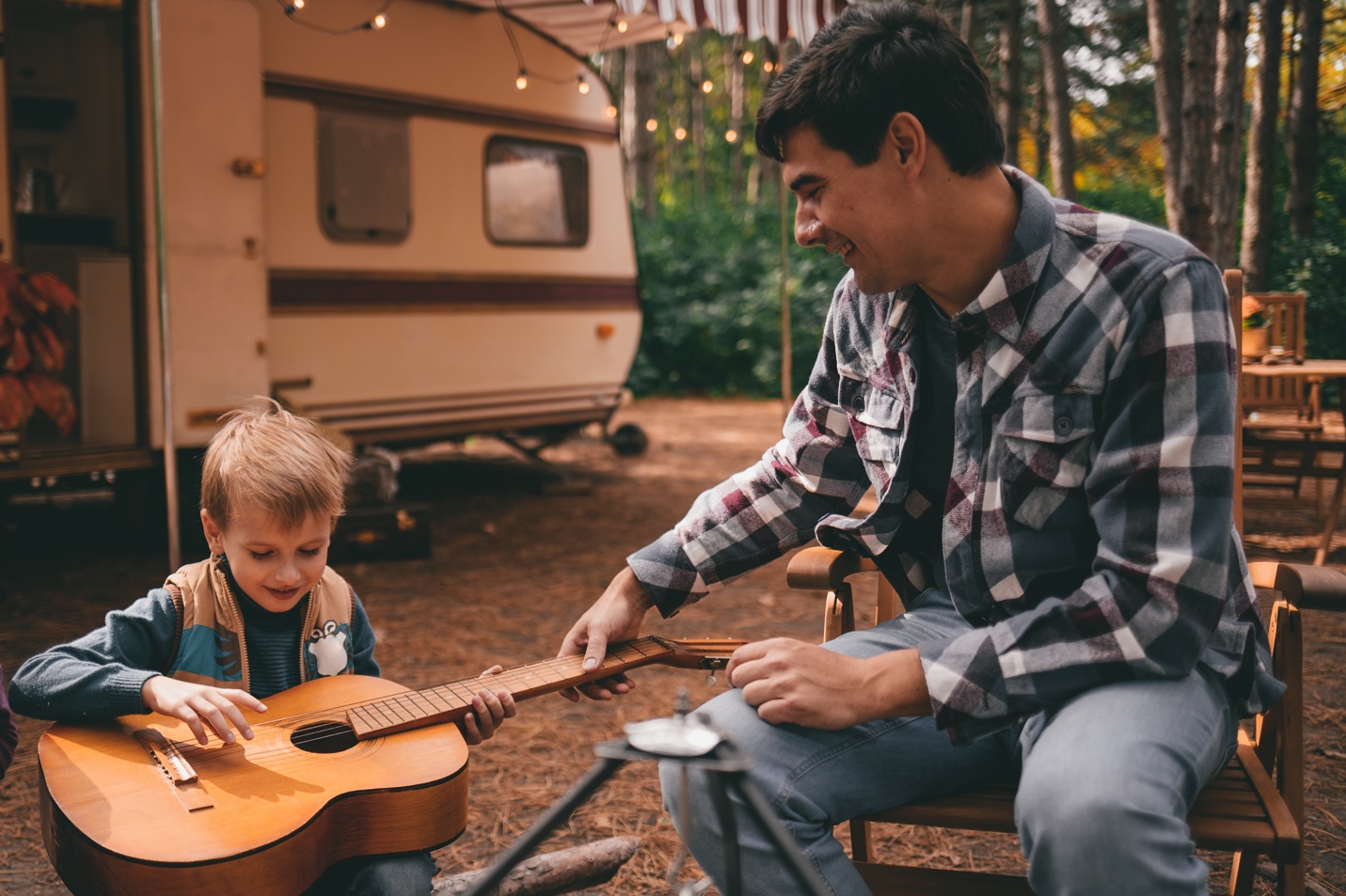
If you’re not able to find a spot within a state or national park to camp, there’s still good news: campgrounds and RV resorts are everywhere in Oregon. Most of these will have full RV hookups ready and waiting. They may also offer other amenities that the state park doesn’t, which is especially handy if you have campers along for the ride who need extra stimulation. These places are often right outside the state park, which makes it easy to come and go as you please. Check out this compiled list of Good Sam RV Campgrounds in Oregon to find a place to park your RV.
Oregon (and the Pacific Northwest in general) is rainy. While the temperatures tend to be mild and enjoyable—great for hiking—you can almost guarantee you’ll get wet at some point. And while that adds some charm to the area, it can also get dangerous if you’re not prepared for it. Always pack rain gear with you on hikes and, if you’re going to be out after dark, warmer layers as well. Getting wet and then getting cold is a dangerous combination.
Much of the Pacific Northwest also has wildlife—including black bears, cougars, and elk. Under most circumstances, these animals won’t bother you; they’ll be more afraid of you than you are of them. They do sometimes get curious, though, and like to dig around through a campsite looking for food. Make sure you know how to wildlife-proof your camp before you spend a day hiking.
Oregon is full of wild country and that makes it a boondocker’s dream. Boondocking or dry camping refers to camping in an RV without any kinds of hookups: no electric, no sewer, no water. When you’re boondocking, you’re using your reserve water tank for fresh water, your RV’s tanks for sewage, and a generator for electricity.
Most boondockers are trying to get off the grid. They don’t want to camp in the busy camps but would rather be out in the country away from other people and be more self-reliant. In Oregon, you can camp on any property overseen by the Bureau of Land Management—and the organization has 16.1 million acres of land in the Pacific Northwest. Not all of that land will be available for camping, but with more research, you can certainly find plenty of places that are ready for you to pull up to and set up camp for an entirely different kind of RVing experience.