Prime Hook National Wildlife Refuge, Delaware
Everything the RV Renter Needs to Know
Everything the RV Renter Needs to Know
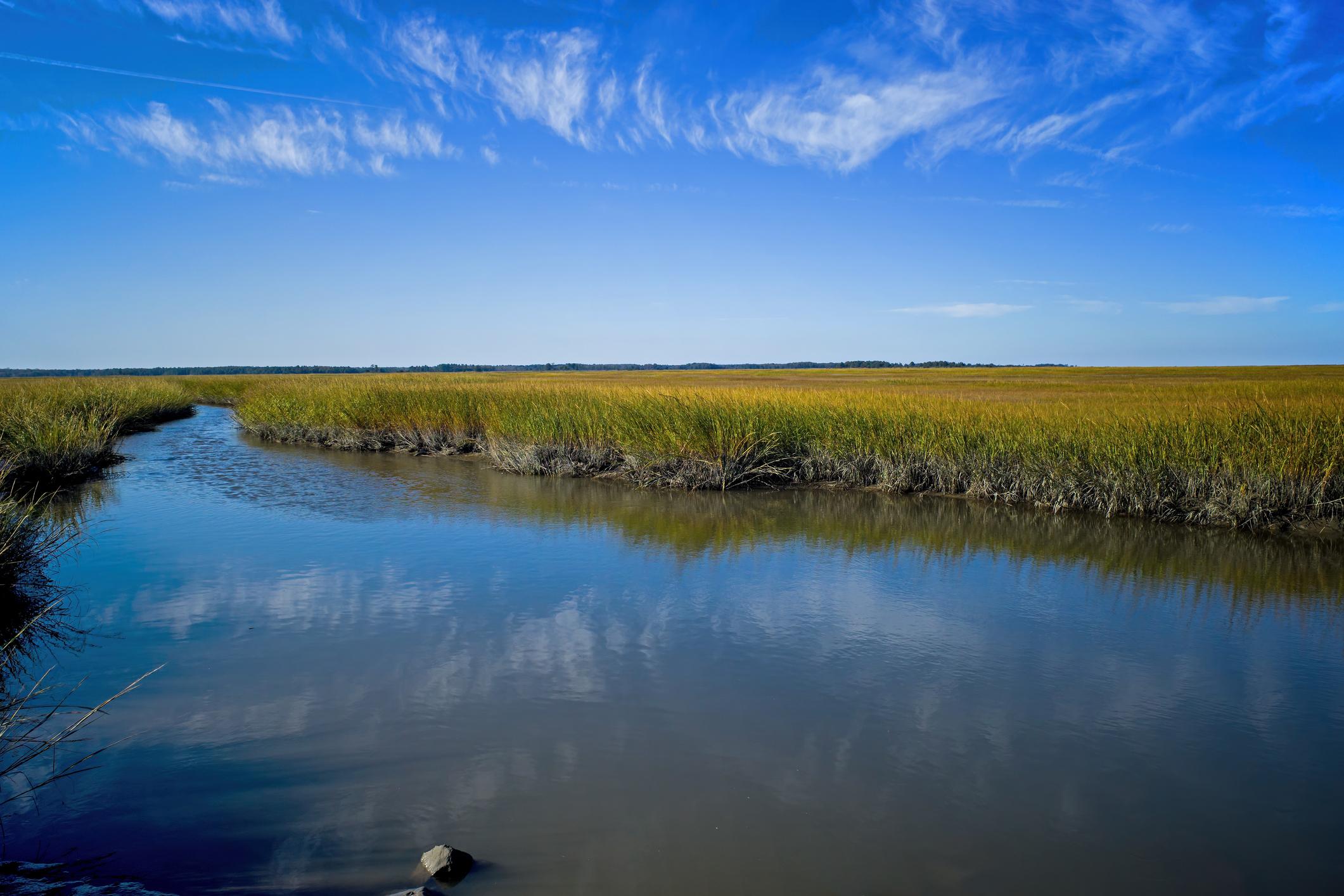
The Prime Hook National Wildlife Refuge is a protected area that covers 10,144 acres. The protection of this land is for migratory birds. The refuge was created in 1963 under the authority of the Migratory Bird Conservation Act. It’s a great place for you and your family to visit if you’ve rented an RV in Delaware and want to experience some of what the great outdoors has to offer.
Open from sunrise to sunset, the refuge is a great place for you and your family to go to learn about migratory birds, other wildlife and to check out some of the most interesting lands in all of Delaware. If you’re interested in renting an RV in Delaware, you need to stop at Prime Hook for a while, and here’s what you need to know.
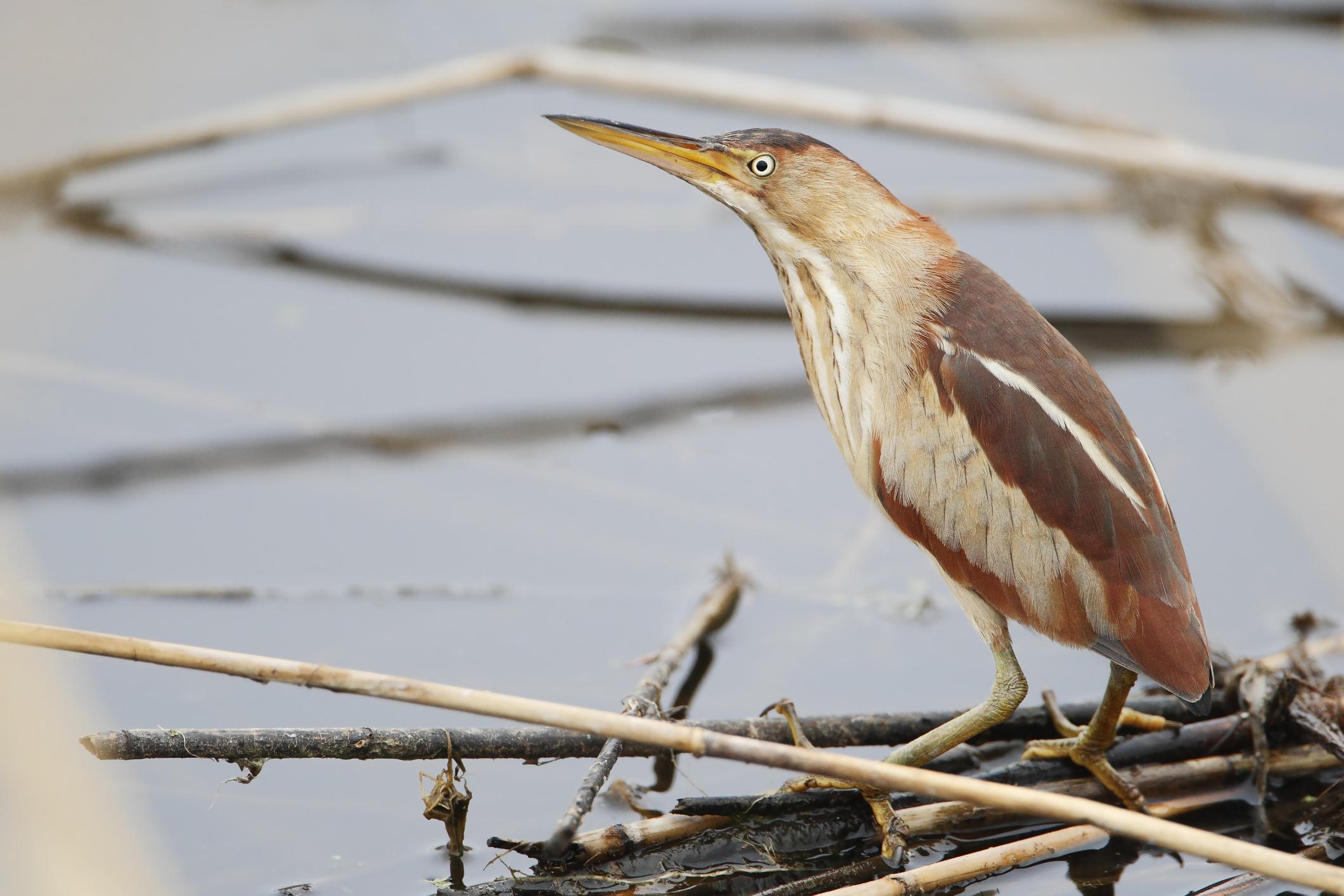
Perhaps the biggest reason to visit Prime Hook is because of the amazing migratory birds you can see here. If you’re a bird watcher or a wildlife photographer—even an amateur one—then Prime Hook is one of the best places to come in all of the Eastern U.S.
The refuge management notes that in the fall and winter the marshes along Broadkill Beach Road provide views of snow geese and a host of migrating ducks. Shorebirds are also common here in the late spring and well into the summer. The summer months are also a great time to see birds wading around in the shallows looking for a meal.
Some of the most popular activities at Prime Hook is to go boating or fishing, or both. You can easily fish from many of the shorelines throughout the refuge, but you’re usually better off getting out on a boat to fish.
You can follow the self-guided canoe trail through the refuge to see most of what the protected lands offer. Most canoeists and kayakers launch at Waples Mill Pond and travel east through the refuge. You can rent a canoe or kayak locally pretty easily through Delaware River Adventures or through Quest Adventures.
Make sure to stop in at the Visitor Center with your family. Here you’ll find maps of the park, relevant information for visitors, interact with refuge staff members, and learn of any activities that are currently going on in the park.
You’re bound to find, if you come in the right season, that there are some educational activities that you can sign up for. It’s highly recommended to check ahead of time to see what activities are available.
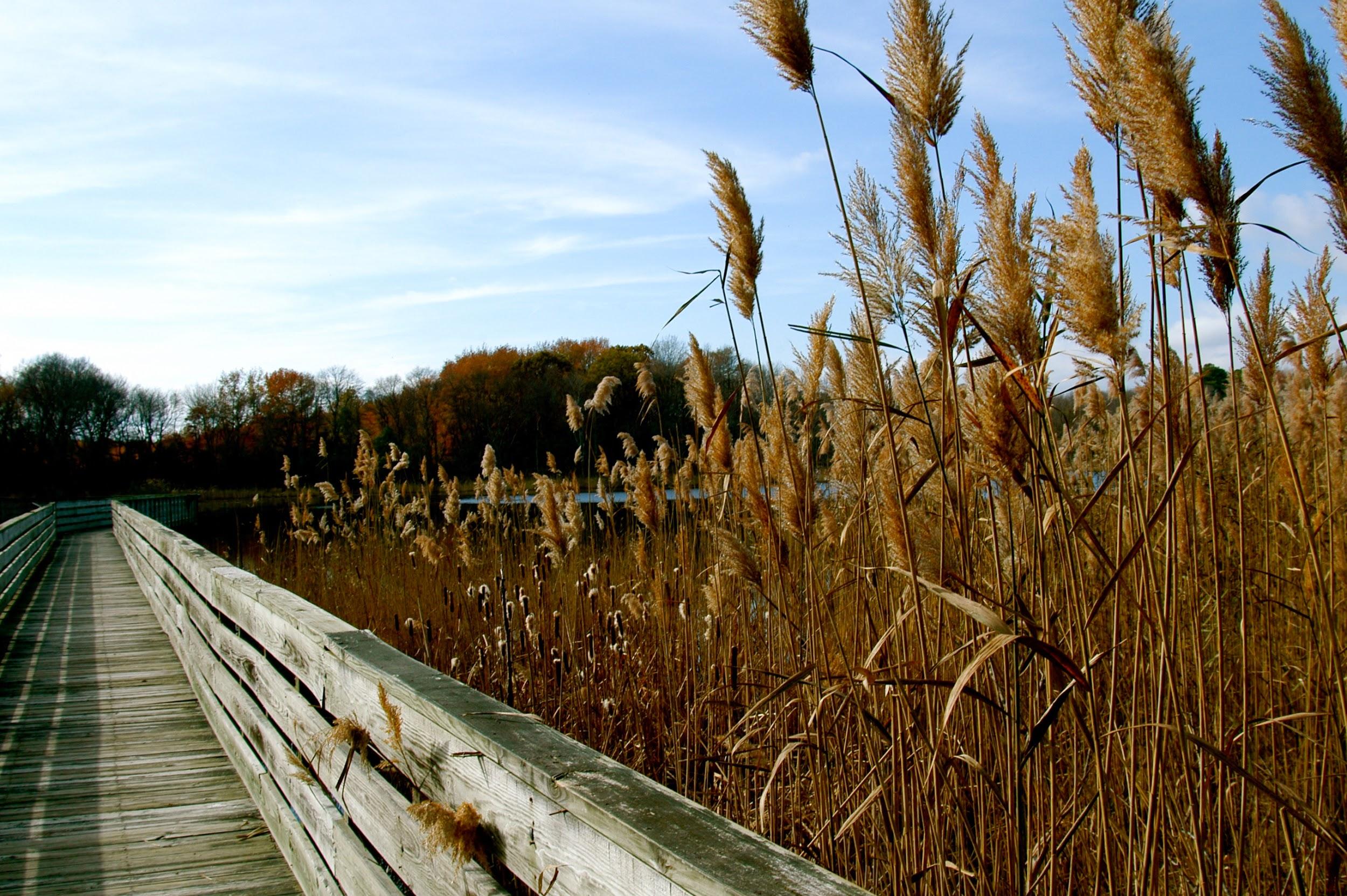
There are plenty of walking trails and boardwalks throughout the refuge that provide ample opportunities for hiking. With over 10,000 acres to roam and trails throughout a lot of the refuge, you should be able to hike to your heart’s content.
Several of these trails have observation towers, providing you with excellent views of the refuge and the wildlife in it. The Boardwalk Trail and the Dike Trail are wheelchair accessible.
During the right times of the year, the refuge works closely with the Delaware Division of Fish and Wildlife to provide hunting opportunities.
Thousands of hunters come from all over to hunt several kinds of waterfowl, deer, and upland game. The proper permits are required. You’ll need to fill out an application and all hunters must abide by local and state ordinances.
Steamboat Landing is another campground that’s only a few minutes outside of the refuge’s boundaries. It too is a modern campground with spacious campsites and full hookups for RVers.
At the campground, there’s also a general store, pool, marina with more than 70 boat slips, opportunities for fishing, kayaking opportunities, the ability to go crabbing, and more. The long list of amenities and the proximity to the refuge make it a fantastic place to stay.
The Resort at Massey’s Landing is a little bit further out than the other two listed previously, but that doesn’t make it a bad place to stay if you want to spend time at the refuge. It’s only about a 30-minute drive, and the beautiful campground is worth the drive.
Located right on the beach, these full hookup campsites offer amenities like fire rings and picnic tables, but the campground also offers beach access, a pool, a restaurant, bathhouses, Wi-Fi, and golf carts for getting around. There’s also a shuttle service that will take you to some of the popular breweries and shopping in the area.
Looking for something with a little bit more of a farm feel rather than a beach feel? That’s where the Homestead Campground comes into play. This campground is only about a 20-minute drive from the refuge.
It offers full hookup campsites with fire rings and picnic tables. At the campground, you can also enjoy two Olympic-size pools, a splash pad for kids, horseshoe games, a game room, basketball courts, batting gage, fishing pond, dog park, and camp store.
If you head a bit northwest from the wildlife refuge, you’ll find Delaware Beaches Jellystone Park. This park is only about a 15-minute drive from the national wildlife refuge, and that makes it one of the closest in the area. It’s also a very good park to stay at.
The park features wide lots that offer full hookups, fire rings, and picnic tables. THere’s also a large pool at the park and a camp store for essentials. The campground also hosts various activities and events, such as hayrides, storytimes, and special Sunday morning breakfasts.
Most of the best restaurants will be located south of the Prime Hook National Wildlife Refuge. One that is extremely close is Broadkill Store serving everything from breakfast and donuts to sandwiches and pizza, this is a spot you have to visit while you’re here. It’s also located right near the beach.
The next closest is the Blue Heron Grille, which is just down Broadkill Road from the entrance to the park and is part of The Rookery Golf Club. Other great options can be found in the city of Milton, Delaware, which is home to the famous craft brewery Dogfish Head.
No matter where you decide to stay or how you choose to experience Prime Hook National Wildlife Refuge, you should have a fun and unforgettable experience.